Introduction
With inflation pressures, fluctuating interest rates, and economic uncertainty, Americans are thinking more seriously about how to protect and grow their money. Whether you’re earning $50,000 or $250,000 a year, the rules of smart financial management remain the same — spend intentionally, invest strategically, and prepare for the unexpected.
In this guide, we’ll break down practical, realistic strategies for budgeting, saving, investing, retirement planning, and reducing taxes — specifically designed for U.S. households in 2026.
1️⃣ Master Your Cash Flow Before Investing
Before you invest in stocks or real estate, you must control your monthly cash flow.
The 50/30/20 Rule (Updated for Today’s Economy)
- 50% Needs – Housing, utilities, groceries, insurance
- 30% Wants – Dining out, travel, entertainment
- 20% Savings & Investing – Retirement, brokerage accounts, emergency fund
In high-cost states like California or New York, you may need a 60/20/20 variation due to rent prices.
Pro Tip:
Automate transfers to savings immediately after payday. What you don’t see, you won’t spend.
2️⃣ Build a Fully Funded Emergency Fund
Americans faced major lessons during COVID-19 and recent layoffs in tech and finance sectors.
Aim for:
- 3–6 months of expenses (stable job)
- 6–9 months (self-employed or commission-based income)
Store this money in a high-yield savings account (HYSA), not a traditional savings account.
Banks like:
- Ally Bank
- Capital One
- SoFi
…often offer competitive APYs compared to brick-and-mortar banks.
3️⃣ Maximize Retirement Accounts (Tax Advantages Matter)
The U.S. tax system rewards retirement investing. Take advantage of it.
🏢 401(k) – Employer-Sponsored Plan
If your employer offers a match, contribute at least enough to get the full match. It’s free money.
Example:
If your employer matches 4%, and you earn $80,000:
You’re leaving $3,200/year on the table if you don’t contribute.
Major providers include:
- Fidelity Investments
- Vanguard
- Charles Schwab
🏦 Roth IRA vs Traditional IRA
- Roth IRA → Pay taxes now, withdraw tax-free later
- Traditional IRA → Tax deduction now, pay taxes later
If you expect higher income in retirement, Roth is often powerful.
4️⃣ Invest Smartly in the U.S. Stock Market


4
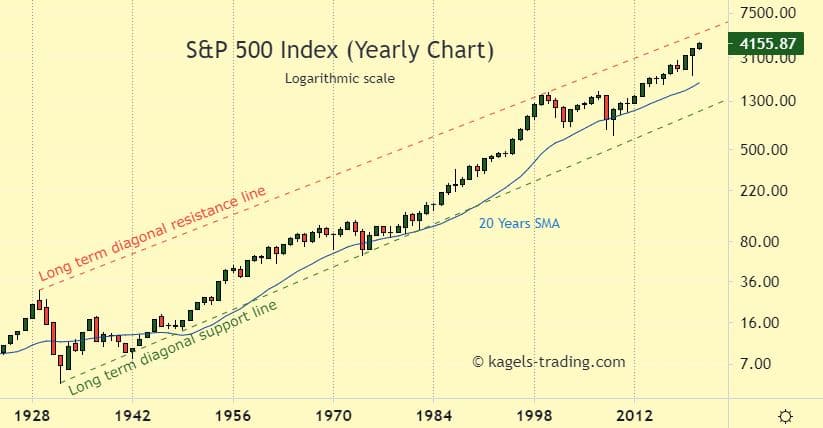
Historically, the U.S. stock market has averaged about 8–10% annual returns long-term.
Instead of picking individual stocks, many Americans invest in:
- Index funds tracking the S&P 500
- Total market funds
- ETFs like those offered by Vanguard
Why Index Funds Win:
- Low fees
- Broad diversification
- Passive strategy reduces emotional trading
Final Thoughts: The American Wealth Formula
Building wealth in the U.S. isn’t about luck. It’s about consistency:
- Spend less than you earn
- Automate investments
- Maximize tax-advantaged accounts
- Invest long-term
- Protect what you build
The earlier you start, the more compounding works in your favor.